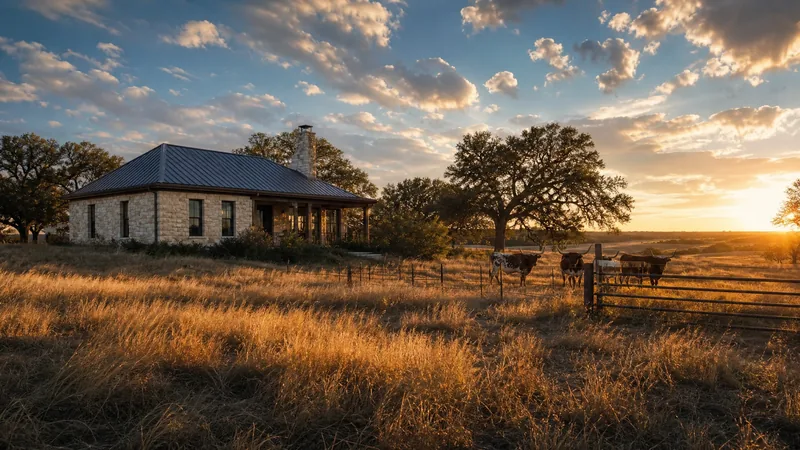
How to Start an RV Park or Campground in Texas
How to Start an RV Park or Campground in Texas
Starting an RV park or campground in Texas means navigating multiple state and local regulatory layers, there is no single statewide "RV park license" that clears all hurdles. Instead, you will deal with local zoning, county development rules, water and wastewater regulation under the Texas Commission on Environmental Quality (TCEQ), and state occupancy tax. This guide walks you through the real approval path and the key checkpoints where projects stall.
1. Verify Local Zoning and County RV Park Rules
Before you finalize a property, confirm that RV parks are permitted in your chosen location. Zoning is mainly a city matter in Texas because most counties have no zoning authority, and some jurisdictions prohibit RV parks outright or restrict them to specific zones.
Step 1.1: Check county and city zoning ordinances. Contact the county zoning office or city planning and zoning department for the jurisdiction where your property sits. Ask specifically:
- Are RV parks permitted in this zone, or only in specific zones?
- What is the minimum lot size?
- What setback and spacing requirements apply to RV spaces?
- Are there restrictions on the number of spaces or the duration of stays?
Step 1.2: Check for county-specific RV park regulations. Several Texas counties, including Fannin, Polk, and Hunt, have adopted their own RV park rules that go beyond standard zoning. Call the county clerk or county environmental health office to ask whether additional regulations exist. If they do, get a copy; they often cover site design, utilities, and space requirements that supersede the base zoning code.
Step 1.3: Engage a local attorney. Zoning disputes and variances can delay a project. If your site does not perfectly match the zoning rules, a local real estate or land-use attorney can advise whether a variance or conditional-use permit is feasible. Plan for this cost upfront.
2. Determine Your TCEQ Regulatory Tier
The Texas Commission on Environmental Quality (TCEQ) regulates RV parks based on size, water supply, and wastewater handling. Understanding your tier is critical because it determines which permits you need.
Step 2.1: Classify your park's water system. TCEQ regulates your park's drinking water if:
- You supply water to at least 15 RV connections, OR
- You regularly serve at least 25 people for 60 or more days per year.
A park meeting these criteria may fall under TCEQ rules for public water systems under 30 TAC Chapter 290. If your park has 15 or more connections and a communal water source (rather than individual wells), expect TCEQ involvement.
Step 2.2: Classify your wastewater handling. TCEQ regulates on-site wastewater treatment or disposal under these conditions:
- Your park treats or disposes of wastewater on-site (rather than connecting to a municipal system).
- Your on-site treatment system handles more than 5,000 gallons per day.
- You dispose of solid waste on-site.
- Construction will disturb 1 acre or more of land.
Systems handling 5,000 gallons or less per day typically go through local county health department on-site sewage facility (OSSF) permitting, not state-level TCEQ review. Larger systems require a TCEQ Domestic Wastewater Permit, which has a longer approval timeline and stricter design standards.
Step 2.3: Check for construction stormwater requirements. If your site development will disturb 1 acre or more, you will need a TCEQ Construction General Stormwater Permit, even if wastewater handling is small. This permit requires a stormwater pollution-prevention plan (SWPPP) and ongoing inspection during construction.
3. Obtain Local Permits and Approvals
Once zoning is confirmed, move through the local permitting sequence.
Step 3.1: Submit a site development or subdivision plan. If your park involves platting or a significant site redesign, the county or city will require a site development plan or, in some cases, a formal subdivision plat. This plan must show:
- RV space layout with dimensions and utility hookup locations.
- Roads, parking, and pedestrian access.
- Water and wastewater infrastructure.
- Drainage and stormwater management.
- Setbacks and buffers from property lines and sensitive areas (wetlands, water bodies, neighboring uses).
Submit this plan to the county or city planning office. Review time varies, and revisions are common. Budget for a professional surveyor and site engineer.
Step 3.2: Obtain a certificate of occupancy (CO). Before any RV can occupy a space, you must receive a certificate of occupancy from the local building/code department. The CO certifies that your park meets local building codes, electrical standards, and safety requirements. This is issued only after final inspection of completed infrastructure.
Step 3.3: Secure on-site sewage facility (OSSF) permits if applicable. If your park uses on-site septic or treatment (systems handling 5,000 gallons per day or less), apply for an OSSF permit from the county health department. You will need a site evaluation by a licensed OSSF installer or engineer, and the county will review the soil, groundwater depth, and proposed system design. Ask the county how long approval takes.
4. Apply for TCEQ Permits (If Required)
If your park meets the thresholds above, submit TCEQ applications in parallel with local permits.
Step 4.1: File a Public Water System application (if applicable). Parks with 15 or more connections must register as a public water system with TCEQ. Submit:
- A completed Public Water System registration form.
- Proof of ownership or lease.
- Water source documentation (well logs, municipal contract, etc.).
- Engineering plans for treatment, storage, and distribution.
- A sample quality analysis or plan to comply with drinking water standards.
TCEQ sets the review time. Approval is conditional on your system meeting all drinking water quality standards under 30 TAC Chapter 290.
Step 4.2: File a Domestic Wastewater Permit application (if applicable). If your on-site treatment exceeds 5,000 gallons per day, apply to TCEQ for a Domestic Wastewater Permit. Required documents include:
- A completed permit application.
- Engineering design of the treatment system.
- Soil and hydrogeological assessment.
- Proof of local support (county health sign-off).
This review is more rigorous. TCEQ may request revisions to your design.
Step 4.3: File a Construction General Stormwater Permit (if required). If construction disturbs 1 acre or more, apply to TCEQ for the Construction General Stormwater Permit. Submit a completed permit registration and a Stormwater Pollution Prevention Plan (SWPPP). Check with TCEQ for current timing, and note that your SWPPP must be implemented and inspected throughout construction.
5. Understand Occupancy Tax Obligations
Texas imposes a state hotel occupancy tax of 6 percent on lodging stays of fewer than 30 consecutive days. Many cities and counties impose an additional local hotel occupancy tax on top of the state rate. Ask the Comptroller whether it applies to RV spaces at your park.
Step 5.1: Contact the Texas Comptroller of Public Accounts. Before you open, register with the Comptroller at https://comptroller.texas.gov/taxes/ to confirm whether your park is subject to state occupancy tax. Ask whether your city or county adds a local hotel tax. If your park allows stays of 30 days or longer, the occupancy tax may not apply to those longer-term renters, but you will need to track stay duration carefully.
Step 5.2: Check local hotel tax rates and registration requirements. Contact your city finance or tax office to confirm the exact local hotel occupancy tax rate and any registration or reporting requirements. Some jurisdictions require quarterly reporting and payment; others require monthly reports. Budget for payroll processing of this tax.
6. Form Your Business Entity
Once local and state approvals are in sight, establish your business legal structure.
Step 6.1: Choose your entity type. Most RV park owners use a Limited Liability Company (LLC) or a Subchapter S Corporation. An LLC provides liability protection and pass-through taxation, making it popular for real estate operations. A corporation offers the same liability shield but requires more formal record-keeping.
Step 6.2: File with the Texas Secretary of State. File a Certificate of Formation (Form 205 for LLCs) with the Texas Secretary of State at https://www.sos.state.tx.us/corp/index.shtml. The filing fee is $300. You can file online through SOSDirect at https://direct.sos.state.tx.us/acct/acct-login.asp. Standard processing takes at least one business day; expedited options are available (see the Secretary of State website for pricing).
Step 6.3: Appoint a registered agent and office in Texas. Every LLC or corporation must have a registered agent (an individual resident of Texas or a registered company) and a registered office at a physical street address in Texas. Your agent does not have to be you, but must be available to accept legal documents during normal business hours. Your office address cannot be a P.O. box or mail service alone.
Step 6.4: File an Assumed Name Certificate if needed. If you operate under a name other than your LLC's legal name, file an Assumed Name Certificate (Form 503) with the Secretary of State. The fee is $25, and the certificate is valid for up to 10 years.
7. Secure Financing and Insurance
Step 7.1: Prepare a business plan. Lenders will want a detailed business plan showing site layout, regulatory compliance, market analysis, occupancy projections, and a three-year financial forecast. Include your TCEQ and local permit approvals (or timelines for expected approval).
Step 7.2: Obtain commercial liability insurance. RV parks carry higher liability exposure than typical rentals. Insure against guest injury, property damage, and environmental liability. Work with an insurance agent experienced in campground operations.
Step 7.3: Verify property and environmental insurance. Flood, wind, and liability coverage are standard for commercial real estate. If your park uses on-site wastewater treatment, ask your insurer whether environmental liability is included or requires a rider.
Common Mistakes to Avoid
- Skipping local zoning verification. A project can fail after thousands of dollars in planning if zoning does not permit RV parks or requires a costly variance.
- Underestimating regulatory timelines. TCEQ permits can add substantial time. Ask TCEQ for current timing and factor it into your project schedule and financing.
- Mixing up occupancy tax thresholds. Many operators miss the 30-day threshold for occupancy tax. Stays of 30 days or longer may be exempt; track every guest's check-in and check-out dates.
- Choosing the wrong entity type. An LLC is simpler than a corporation for most small to mid-size parks, but consult a CPA or attorney about tax implications for your specific situation.
- Delaying TCEQ consultation. If your park will supply water or treat wastewater at scale, contact TCEQ early. Design changes requested late in the permitting process are expensive.
Expected Timeline
The time from zoning approval to certificate of occupancy depends on site complexity and TCEQ permit requirements. Parks with municipal water and sewer connections may move faster than parks with on-site water or large treatment systems.
Resources
- Texas Secretary of State: https://www.sos.state.tx.us/corp/index.shtml
- Texas Commission on Environmental Quality (TCEQ): https://www.tceq.texas.gov
- Texas Comptroller of Public Accounts (occupancy tax): https://comptroller.texas.gov/taxes/
- Your county clerk or county health department (local zoning and OSSF permits)
Disclaimer
This article is informational and does not constitute legal, tax, or regulatory advice. Zoning rules, permit requirements, and occupancy tax thresholds vary significantly by location within Texas. Before you commit to a site or begin permitting, consult a local real estate attorney, a CPA familiar with RV park operations, and the relevant county and city agencies. Every project is unique, and regulatory requirements can change.