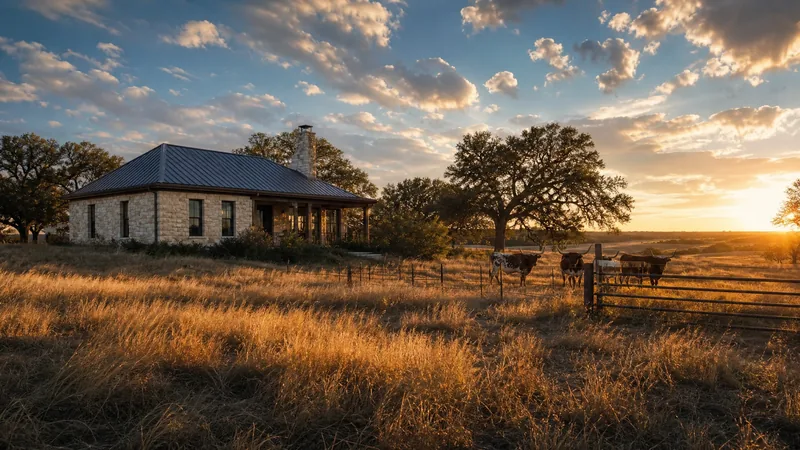
How to Start a Hunting Lease or Outfitter Business in Texas
How to Start a Hunting Lease or Outfitter Business in Texas
A Texas hunting lease or outfitter business lets you monetize private land while connecting hunters to quality hunting opportunities. Texas's landscape, wildlife population, and landowner-friendly legal framework make it one of the best states for this model. But launching a hunting lease operation requires more than just putting up a sign: you need the right licenses, liability protection, tax structure, and business practices to operate legally and professionally.
This guide walks you through every step to start a Texas hunting lease business, from securing your property and licenses to managing finances and risk.
What You'll Need Before You Start
Land and Property Access
- Full ownership or written permission (lease or agreement) from the property owner if you do not own the land
- Clear property boundaries marked on a map or surveyed
- Acreage: Texas hunting leases range from 100 acres to thousands. Larger properties support higher lease fees but require more management.
- Access road or entry point suitable for hunters
Business Structure Documentation
- Chosen legal structure: sole proprietorship, LLC, S-corporation, or C-corporation
- If forming an LLC: $300 filing fee with the Texas Secretary of State (Form 205, Certificate of Formation)
- EIN (Employer Identification Number) from the IRS (free, applied for online)
Licenses and Permits
- TPWD Hunting Lease License (described in detail below)
- Texas sales and use tax permit if you sell goods or taxable services (no fee, applied through the Texas Comptroller)
- Texas Comptroller account for franchise tax and Public Information Report filing
Liability and Insurance
- General liability insurance policy covering bodily injury and property damage on your hunting property
- Umbrella or excess liability policy for additional protection
- Proof of insurance to show hunters and hunting partners
Contracts and Agreements
- Hunting lease agreement template (written by an attorney familiar with Texas property and liability law)
- Hunter safety and rules document
- Release and waiver forms
Step-by-Step: Starting Your Texas Hunting Lease Business
Step 1: Secure Your Hunting Property
You must own or control the land you lease to hunters. If you own the property outright, you are ready to move forward. If you do not own it, negotiate a long-term lease or management agreement with the landowner that permits you to sublease hunting rights to others. The landowner agreement should specify:
- Your right to receive hunter payments
- Duration of your management rights (ideally multiple years to justify marketing and infrastructure investment)
- Your liability coverage responsibilities
- Whether you can improve the property (build stands, clear trails, stock feed)
Step 2: Get Your TPWD Hunting Lease License
Texas Parks and Wildlife Code sections 43.041 to 43.055 require that any landowner or property manager who accepts compensation from hunters must hold a Hunting Lease License. This is a critical requirement: operating without it is a Class C misdemeanor.
Fee structure (as of 2017; verify current fees with TPWD):
- $79 for properties under 500 acres
- $147 for properties between 500 and 1,000 acres
- $252 for properties 1,000 acres or more
How to apply:
- Visit the Texas Parks and Wildlife Department website at https://tpwd.texas.gov/huntwild/hunt/regulations/licenses/ and locate the Hunting Lease License application.
- Complete the application with your property details, acreage, and hunter capacity.
- Submit the application with the appropriate fee (check or online payment).
- TPWD will issue your license; you must display it visibly on the property where hunters can see it.
- Keep your license current: confirm the license term and renewal requirements with TPWD.
Note: Your hunters must also hold valid Texas hunting licenses. You are not required to enforce this (TPWD does), but you should verify that each hunter has one before granting access.
Step 3: Choose Your Business Structure
Decide whether to operate as a sole proprietor, partnership, LLC, S-corporation, or C-corporation. Each has tax and liability implications.
Sole Proprietorship: Simplest to start, but no liability protection. Your personal assets are at risk if a hunter is injured.
LLC (Limited Liability Company): Recommended for most hunting lease operations. An LLC separates your personal assets from business liability, costs $300 to form with the Texas Secretary of State, and is taxed as a pass-through entity (profits reported on your personal return). Form an LLC by filing a Certificate of Formation (Form 205) online through SOSDirect at https://direct.sos.state.tx.us/acct/acct-login.asp or by mail.
S-Corporation or C-Corporation: More complex and generally used if you plan to reinvest profits or have multiple owners. Consult a tax professional or CPA to determine if this structure fits your situation.
After forming your business structure, obtain an EIN from the IRS at no cost (apply at https://www.irs.gov/ein).
Step 4: Obtain Tax Accounts and Permits
Sales and Use Tax Permit: If you charge hunters a flat lease fee (typical), you usually do not owe sales tax. However, if you sell hunting supplies, guide services, or meals, you must have a sales tax permit. Apply for free at https://comptroller.texas.gov/taxes/permit/. Processing typically takes two to three weeks.
Franchise Tax Account: Texas levies no corporate income tax, but many businesses must file a Franchise Tax Public Information Report annually with the Texas Comptroller by May 15. The no-tax-due threshold for 2026 and 2027 is $2,650,000 in total revenue. If your hunting lease business stays below that, you owe no tax but must still file the report (no fee). Set up your Comptroller account at https://comptroller.texas.gov/taxes/.
Step 5: Secure Liability Insurance
Hunters assume certain risks by participating in a hunting activity. Texas law (Civil Practice and Remedies Code Chapter 75) limits a landowner's liability to hunters, roughly to the duty owed a trespasser, except in cases of gross negligence or willful misconduct. Even with this legal protection, carry adequate liability insurance:
- General liability policy: $1 million minimum per occurrence, covering bodily injury and property damage on your property
- Umbrella policy: an additional $1 million to $5 million in excess liability coverage
- Proof of insurance: provide this to hunters in your lease agreement or on request
Contact a local insurance broker experienced with rural properties or hunting operations for accurate quotes.
Step 6: Write Hunting Lease Agreements and Rules
Create a written lease agreement that covers:
- Hunter names and contact information
- Lease term (season, year, or multi-year)
- Lease fee and payment terms
- Number of hunters allowed and guest policies
- Hunting methods and seasons (firearm, bow, shotgun, etc.)
- Property boundaries and off-limits areas
- Liability waiver and assumption of risk language
- Your right to terminate the lease for violation of rules
- Damage liability (hunter responsibility for property damage)
Have a Texas attorney review your lease agreement and waiver to ensure they comply with state law. Do not copy generic boilerplate templates without legal input.
Step 7: Set Up Marketing and Hunter Communication
Advertise your lease to attract hunters. Use online platforms (hunting websites, social media, classified sites), local outdoor publications, word-of-mouth referrals, and hunting forums. Be clear about:
- Property size and game species available
- Lease fee and payment terms
- Season dates and hunter capacity
- Required experience level or qualifications
- Amenities (cabins, stand locations, road access, etc.)
Respond to inquiries promptly and ask reference from prospective hunters to vet them before lease signing.
Step 8: Property Maintenance and Wildlife Management
Maintain your hunting land to attract and sustain game populations. This may include:
- Brush management and trail clearing
- Supplemental feed (wildlife plantings or purchased feed where legal)
- Water source development
- Predator management
- Equipment maintenance (stands, feeders, blinds)
Work with TPWD biologists or local wildlife consultants for management advice tailored to your property and goals.
Tips to Avoid Common Mistakes
- Do not skip the TPWD Hunting Lease License. The $79 to $252 fee is a bargain compared to the legal and financial consequences of operating without one. Verify current fees on the TPWD website before applying.
- Get liability insurance before your first hunter sets foot on the property. Even with Texas's recreational-use liability cap, an uninsured incident can devastate your finances and personal assets.
- Have an attorney draft your lease and waiver. Do-it-yourself templates often miss critical protections under Texas property and negligence law. A few hundred dollars in legal review saves thousands in disputes or litigation.
- Screen your hunters. Ask references and conduct phone interviews. A single irresponsible hunter, one who trespasses, leaves gates open, or ignores safety rules, can ruin the experience for others and expose you to liability.
- Keep detailed records. Document lease agreements signed, payments received, hunter contact info, and any incidents or damage reports. These records protect you if a dispute arises.
- Understand wildlife management tax benefits. If your land qualifies for open-space property tax valuation under wildlife management use, your county tax bill may drop significantly. Check with your county appraisal district to learn the requirements and application process.
- Do not operate on a handshake. Written agreements protect both you and your hunters. Verbal leases invite misunderstandings and are harder to enforce.
- Monitor your franchise tax filing deadline. If your business triggers a Comptroller filing requirement, the Public Information Report is due May 15 each year. Missing the deadline can result in penalties.
Expected Results and Timeline
The time from concept to first hunter depends on your property, insurance and paperwork. A sample sequence:
- Weeks 1-2: Finalize your property agreement (if you do not own the land) and choose your business structure. File an LLC Certificate of Formation if applicable ($300 fee; electronic filing is the fastest route, but the Secretary of State does not guarantee a turnaround).
- Weeks 2-3: Obtain your TPWD Hunting Lease License and apply for a Texas sales tax permit and Comptroller account (processing varies, typically two to three weeks for tax permits).
- Weeks 3-4: Have an attorney prepare your lease agreement and waiver language. Secure liability insurance.
- Weeks 4+: Begin marketing your property and signing hunters. Your first season of operations will inform pricing, capacity, and property management decisions for future years.
Profitability depends on property quality, game populations, hunter demand in your region, and your lease fees. Lease rates vary widely with property quality, game populations, access and local hunter demand. Your insurance, property maintenance, and TPWD license costs will reduce net income.
Key Resources
- Texas Parks and Wildlife Department Hunting License Information
- Texas Secretary of State Business Filings
- Texas Comptroller of Public Accounts
- SOSDirect: File Your LLC Online
Legal Disclaimer
This article is informational only and does not constitute legal advice, tax advice, or a substitute for professional counsel. Hunting lease regulations, tax requirements, and liability law are complex and subject to change. Before launching a hunting lease business in Texas, consult with a qualified attorney licensed to practice in Texas and a CPA or tax professional familiar with agricultural and recreational property businesses. Your specific situation may require permits, disclosures, or compliance steps beyond those described here.
The liability and property tax benefits described are based on current Texas law as of October 2026 and may change. Always verify current requirements with the Texas Parks and Wildlife Department, the Texas Comptroller, your county appraisal district, and your county clerk before committing resources to your business launch.