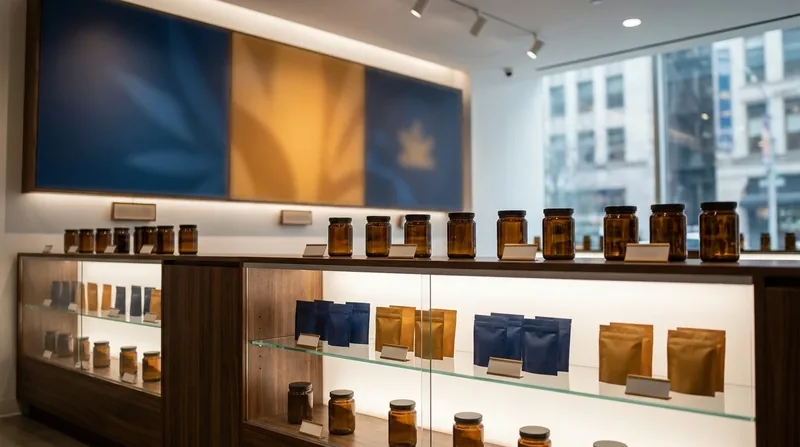
Texas Hemp and THC Laws for Businesses: Licenses, Age Limits and the Current Rules
Texas Hemp and THC Laws for Businesses: Licenses, Age Limits and the Current Rules
Texas hemp and THC laws have shifted dramatically since 2025, and if you are thinking about selling hemp, smokable hemp, CBD, delta-8, or other cannabinoid products in the state, you need to understand what is currently legal and what licensing your business actually needs. The regulatory landscape is still unsettled, with recent court rulings and rule changes stacking on top of each other through mid-2026. This guide covers what you need to know right now.
The Current Legal Status: What Changed
Texas has no blanket ban on hemp or hemp-derived products. In June 2025, Governor Greg Abbott vetoed Senate Bill 3, which would have banned non-delta-9 THC products like delta-8 and delta-10. That veto kept the door open to hemp commerce in Texas, but the regulatory rules around it remain in flux.
Here is the timeline of what matters for your business:
- March 2026: The Texas Department of State Health Services (DSHS) adopted new hemp rules, effective March 31, 2026. These rules changed fee structures and added THCA (a precursor to delta-9 THC) to the calculation of total THC content. Consumable hemp manufacturer licenses jumped to $10,000 per facility, and retail hemp registrations rose to $5,000 per location (up from roughly $258 and $155 under prior rules).
- May 1, 2026: A Travis County state district judge issued a temporary injunction blocking parts of the March 2026 rule, specifically the total THC standard and the higher fees. The same day, the Texas Supreme Court ruled in favor of DSHS in the Sky Marketing v. DSHS case, backing DSHS's authority to regulate hemp.
- June 2026 and beyond: June 2026 reports say the Fifteenth Court of Appeals let the DSHS rule take effect again, but legal challenges continue and enforcement remains unclear in some areas. On July 31, 2026, DSHS officially reinstated its 2021 controlled-substance definitions, which had a major impact: delta-8, delta-10, THCP, and other synthetic or non-delta-9 THC isomers are no longer classified as lawful hemp products under Texas law.
The upshot: if you sell anything other than delta-9 THC products at or under 0.3%, you need to verify current legality before you open for business. Litigation is ongoing, and the rules have teeth now.
What Products Are Currently Legal
As of July 31, 2026, here is what Texas considers lawful hemp:
- Hemp plants and products with delta-9 THC at or below 0.3% are lawful. This includes hemp flower, hemp oil, hemp extracts, and hemp-derived CBD products, provided they meet this threshold and comply with all other state and federal requirements.
- Delta-8, delta-10, THCP, and other THC isomers are NOT lawful hemp products under the reinstated 2021 definitions. Products marketed as "delta-8 THC" or similar are no longer legal to manufacture, retail, or distribute in Texas as of July 31, 2026. This is a hard line: if your product's total THC comes from anything other than delta-9, it does not qualify for hemp protection.
- Smokable hemp is legal if it is hemp (delta-9 THC at or below 0.3%) and complies with packaging, labeling, and age-gate requirements. Marijuana remains illegal in Texas, and hemp is lawful only at or below 0.3% delta-9 THC.
- CBD products are legal if they are truly derived from hemp at or below 0.3% delta-9 THC. Many CBD products on the market today are compliant.
If your business is currently stocked with delta-8 or other isomer products, those are no longer lawful to sell. You will need to pull inventory and pivot to compliant products or exit the market.
Licensing and Compliance for Hemp Businesses
Who Needs a License
If you manufacture, process, or retail hemp products for sale in Texas, you must register or license with DSHS. This is not optional, and the fees are substantial under the March 2026 rules (which remain in effect pending further litigation).
License Types and Current Fees
DSHS issues the hemp licenses and registrations below:
- Consumable Hemp Manufacturer License: Required if you make hemp products intended for human consumption (edibles, tinctures, beverages, capsules, etc.). Current fee is $10,000 per facility. The license requires you to meet facility and testing standards set by DSHS.
- Retail Hemp Registration: Required if you sell hemp products at retail, including smokable hemp (flower, pre-rolls, etc.). Current fee is $5,000 per location. You must verify customer age at the point of sale.
- Growers: Hemp growers are licensed by the Texas Department of Agriculture, not DSHS. Check with that agency for current requirements and fees.
These fees are in addition to any local business taxes, assumed-name filings, or sales tax permits you may need. Texas has no state general business license, so you will not need one, but you should confirm whether your city or county requires a local business license or hemp-specific permit.
Application and Timeline
Applications are filed with DSHS. Confirm current processing times and the renewal schedule with DSHS before you plan a launch date.
Age Limits and Customer Verification
Under current DSHS rules, buyers of hemp products must be 21 years old or older. This applies to all smokable hemp and consumable hemp products. If you retail hemp, you must check a government-issued ID at the point of sale and verify the customer's age before completing any transaction. Selling to anyone under 21 is a violation and can result in license suspension or revocation, so this is not a suggestion.
There is no exception for hemp-derived CBD products or other low-THC items; the 21-and-up age gate applies across the board.
Testing and Labeling Requirements
All hemp products sold in Texas must be tested by a DSHS-approved lab to confirm that delta-9 THC content does not exceed 0.3%. THCA (tetrahydrocannabinolic acid) is now counted toward the total THC limit under the March 2026 rule, so your testing must measure both delta-9 THC and THCA and report the combined total.
Labeling rules are set by DSHS and change with the rules, so confirm the current required list with DSHS. Labels commonly cover items such as:
- The product name and type
- THC content and THCA content (or combined total THC if lab-reported that way)
- Serving size and servings per container (for consumables)
- Batch number and test date
- The licensed entity name and license number
- A warning that the product is for adults 21 and older
- Any allergen warnings required by law
Do not guess at labeling. Work with your DSHS-approved testing lab to ensure labels meet the current standard. If litigation changes the rules again, you may need to re-label inventory.
Local Regulations and City Bans
Even if DSHS licenses your hemp business, your city or county may prohibit or restrict hemp retail within its jurisdiction. Texas is a "home rule" state, meaning cities can adopt zoning and other local rules that affect businesses the state permits. Before you invest in a hemp retail location, check with your city hall and the county clerk to confirm that hemp retail is allowed in that area.
Some local governments adopt zoning or distance rules that affect where hemp can be sold. Do this due diligence before you sign a lease or apply for a DSHS license.
Important Caution: Litigation Is Ongoing
The legal landscape around hemp in Texas is not settled. Court challenges to the March 2026 DSHS rules are still pending, and new legislation could change the rules again. Courts have issued rulings on specific provisions, and further rulings are possible. Before you commit significant capital to a hemp business, consult with a Texas attorney who specializes in hemp and cannabis law to understand the current enforcement posture in your jurisdiction and the risks of regulatory reversal.
This is not legal advice. The facts and dates above reflect the status as of July 2026, but rules, court orders, and enforcement priorities can shift quickly. Do not rely on this guide alone to make licensing or compliance decisions.
What You Need to Do Now
If you are considering a hemp or hemp-derived CBD business in Texas:
- Verify product legality. If you sell delta-8, delta-10, or other non-delta-9 isomers, those products are no longer legal. Check your inventory and supplier agreements now.
- Contact DSHS Hemp Program: Contact DSHS or visit the DSHS website to confirm current fee schedules, application requirements, and timelines. Ask specifically about the status of any pending litigation and how it affects new applications.
- Check local rules. Call your city and county to confirm hemp retail is allowed in your proposed location and what additional permits or approvals you need.
- Hire a Texas hemp attorney. For any business with significant capital at stake, consult a lawyer who handles hemp licensing in Texas. The regulatory and litigation landscape is too unsettled to navigate alone.
- Secure a testing lab. Identify a DSHS-approved lab before you receive inventory. Confirm they can test for both delta-9 THC and THCA and provide labels that meet current requirements.
- Plan for age verification. If you retail, implement a system to verify customer age with a government ID at point of sale. Do not guess or skip this step.
Bottom Line
Texas permits hemp-based businesses, but the rules are strict, the fees are high, and the legal landscape is still in motion. Delta-9 THC products at or below 0.3% are legal; delta-8 and other isomers are not. You must license with DSHS, verify customer age, and comply with local regulations. Litigation is ongoing, so consult qualified professionals before you invest.
Disclaimer: This guide is informational only and is not legal or tax advice. Hemp and cannabis regulations are complex and subject to change. Before making any business decisions, consult a licensed attorney in Texas and the Texas Department of State Health Services to confirm current requirements for your specific business model and location.