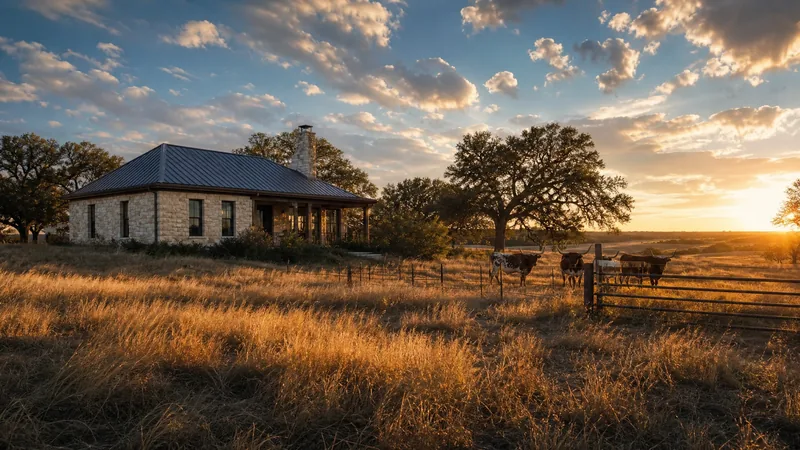
How to Start a Winery or Distillery in Texas: Hill Country Wine and Craft Spirits
How to Start a Winery or Distillery in Texas: Hill Country Wine and Craft Spirits
Texas is home to some of the nation's best wine regions and a booming craft spirits industry. Whether you are planning to grow wine grapes in the Hill Country or produce craft distillery spirits in Austin, starting a winery or distillery in Texas requires navigating state and federal permits, local regulations, and careful business planning. This guide walks you through the exact steps and requirements to launch your operation legally and successfully.
Winery vs. Distillery: Understanding the Two Paths
Before you begin, it's important to understand the difference between what you'll be permitted to do as a winery versus a distillery in Texas. These are regulated as separate business types by the Texas Alcoholic Beverage Commission (TABC), and each has different rules, costs, and operational limits.
Winery (TABC Permit Type G): A winery permit allows you to produce wine, store it, sell to consumers for on-premise (tasting room) and off-premise (retail) consumption, conduct deliveries, and participate in wine festivals. The state permit fee is $3,000 (verify current pricing with TABC at tabc.texas.gov).
Distillery (TABC Permit Type D): A distiller's and rectifier's permit allows you to make and rectify spirits, including whiskey, vodka, gin, brandy, and liqueurs. Sales to consumers and free tastings are available under specific conditions that change periodically. The state permit fee is $3,000 (verify current pricing with TABC). Check with TABC for current on-premise tasting and retail limits for distillers, as these rules are updated regularly.
Many operators eventually hold both permits, but you must start with one and apply for the second separately.
Step 1: Check Local Regulations and Wet/Dry Status
Before spending time and money on planning, verify that your intended location is legally permitted to host a winery or distillery.
Local Wet/Dry Status: Texas allows individual counties, cities, and precincts to set their own alcohol rules. Some areas are "wet" (alcohol sales allowed), some are "dry" (prohibited), and some are "mixed" (certain types allowed). Check your county and city regulations first. If your location is dry, you cannot operate there.
Zoning and Certificate of Occupancy: Contact your city or county planning department to confirm that a winery or distillery is permitted in your chosen location. You will need a certificate of occupancy from the local jurisdiction before TABC will issue a state permit. This certificate confirms that your building meets all local codes and is safe for the proposed use.
Action items:
- Call or visit your county clerk or city planning office to verify wet/dry status.
- Request written confirmation that winery or distillery operations are permitted in your area.
- Ask what zoning designation is required and what additional local permits or licenses you'll need.
- Confirm whether you need a certificate of occupancy before applying for your state permit.
Step 2: Obtain Federal TTB Permits
In addition to state permits from TABC, you must obtain a federal permit from the Alcohol and Tobacco Tax and Trade Bureau (TTB), a division of the U.S. Department of Treasury. This is a mandatory requirement. Confirm current processing times with TTB.
Federal Permits Required:
- Distilled Spirits Plant (DSP) authorization: Required if you are producing spirits. This authorization lets you produce distilled spirits on your premises.
- Federal winery authorization: Required if you are producing wine. Confirm the current TTB forms and requirements with TTB.
Steps to Obtain the TTB Permit:
- Visit the TTB website (ttb.gov) and download the appropriate application form.
- Complete the form with your business details, location, production methods, and intended capacity.
- Include a site plan showing your production area, storage area, testing area, and any tasting room or retail space.
- Submit the application through the TTB's Permits Online system or by mail.
- Confirm with TTB whether any application fee applies.
- Confirm current processing times with TTB. TTB may request additional information or schedule a facility inspection.
- Once approved, you will receive your federal permit. Do not begin production until you hold both federal and state permits.
The federal permit is the longer lead item. Start this process early.
Step 3: Choose and Register Your Business Structure
You must register your winery or distillery as a legal business entity in Texas. Most small producers form a limited liability company (LLC) because it separates personal and business liability and is simple to set up.
Register as an LLC:
- Choose a business name that is distinguishable in Texas Secretary of State records. Search the name database at https://www.sos.state.tx.us/corp/searches.shtml to confirm it is available.
- File a Certificate of Formation (Form 205) with the Texas Secretary of State. File online at https://direct.sos.state.tx.us/acct/acct-login.asp (SOSDirect portal). The filing fee is $300.
- Electronic filing through SOSDirect gives the fastest processing. Expect at least one business day if filed online; mailed documents take longer to process.
- You will receive confirmation once your LLC is formed. Keep a copy of your Certificate of Formation for your records and for TABC.
Assumed Name (If Operating Under a Different Name): If you plan to operate under a name other than your LLC's legal name (for example, your LLC is "Hill Country Spirits LLC" but you do business as "Red Oak Distillery"), file an Assumed Name Certificate (Form 503) with the Texas Secretary of State. The fee is $25.
Texas does not issue a general state business license. Depending on your tasting room or retail operations, you may need specific licenses from other state agencies, but there is no single state business license from Texas.
Step 4: Secure Your Facility and Equipment
Your production facility is the physical heart of your operation. It must meet both local building codes and TTB and TABC standards.
Location Requirements:
- The building must have adequate space for production, storage, testing, and (if planned) a tasting room or retail area.
- Production and storage areas must be secure and accessible only to authorized personnel. This is a TTB and TABC requirement.
- The facility must have proper drainage, ventilation, and utilities to support your production process.
- You must obtain a certificate of occupancy from the local jurisdiction confirming the space is safe and meets all codes.
Equipment for Wineries:
- Grape crusher and destemmer
- Fermentation tanks (glass, stainless steel, or food-grade plastic)
- Press (for pressing grapes after fermentation)
- Barrels or demijohns (for aging)
- Bottling line or equipment (corker, labeler, capper)
- Scales, thermometer, and testing equipment (hydrometer, pH meter)
- Cleaning and sanitation supplies (sulfites, acids, cleaning agents)
Equipment for Distilleries:
- Fermentation tanks for mash or wash
- Copper or stainless steel pot still, column still, or hybrid still
- Condenser and cooling system
- Barrels (charred oak for whiskey, new or used oak for other spirits)
- Bottling and labeling equipment
- Hydrometers, thermometers, and proof testing equipment
- Cleaning supplies and food-grade materials
In Texas Hill Country and the Texas High Plains, established wine grape regions, you may have access to local growers or suppliers. For spirits, you will source grains, fruits, or other raw materials based on your recipe.
Obtain Your Certificate of Occupancy: Once your facility is ready, request a final inspection from your local building or code enforcement office. They will issue a certificate of occupancy only if the space meets all building codes and zoning requirements. Do not submit your TABC application without this certificate.
Step 5: Apply for Your TABC Winery or Distillery Permit
The Texas Alcoholic Beverage Commission issues all state alcohol permits. This is where you officially get the green light to operate in Texas.
Gather Required Documents:
- Your LLC Certificate of Formation (or business registration document)
- Certificate of occupancy from the local jurisdiction
- TTB federal permit (you must hold this before TABC will issue your state permit)
- Detailed site plan or floor plan showing production, storage, tasting room, and restroom areas
- Copy of your lease or proof of ownership for the facility
- Personal identification and proof of age (you and any owners or managers)
- For a winery or distillery, a detailed description of your production process and equipment
- If you plan to hold tastings or events, details on how you will manage age restrictions and prevent over-service
Submit Your Application:
- Visit the TABC website (https://www.tabc.texas.gov/) to download the application forms for your permit type (Winery Permit G or Distiller's Permit D).
- Complete the application with all required information. Be thorough and accurate; incomplete applications are rejected and must be resubmitted.
- Attach all required documents and a copy of your federal TTB permit.
- Submit the application to TABC online (if available) or by mail to the address on the form.
- Pay the $3,000 state permit fee at the time of application. Confirm current pricing with TABC, as fees may change.
- TABC will schedule a facility inspection. An inspector will visit your location to verify that it matches your floor plan, meets storage and security requirements, and complies with all regulations.
- Ask TABC for its current processing time. Do not begin production until your permit is issued in writing.
Step 6: Set Up Tax Compliance and Bookkeeping
Alcohol is heavily taxed at federal and state levels. You must set up the correct tax structure from day one.
Texas Franchise Tax: Texas has no corporate income tax or personal income tax. However, most businesses, including wineries and distilleries, are subject to the state franchise tax, which is a privilege tax based on revenue. For the 2026 and 2027 report years, entities with total revenue at or below $2,650,000 owe no franchise tax, but they must still file a Public Information Report with the Texas Comptroller each year (due May 15). Rates above the threshold are 0.375 percent for retail and wholesale and 0.75 percent for all other entities. File your annual Public Information Report even if you owe no tax.
Sales and Use Tax: If you are selling wine or spirits directly to consumers (tasting room or online), you must obtain a sales and use tax permit from the Texas Comptroller of Public Accounts. This permit is issued at no charge. Apply at https://comptroller.texas.gov/taxes/permit/. It typically takes 2 to 3 weeks to process.
Federal Excise Tax: The federal government levies an excise tax on all distilled spirits and certain wines. This tax is calculated based on proof gallons produced (for spirits) or at a rate per gallon (for wine). Keep meticulous production records so you can calculate and pay your federal excise tax correctly.
Bookkeeping and Records: Maintain detailed records of all production, sales, inventory, and tax payments. Alcohol businesses are audited frequently by both state and federal authorities. Store records for at least 3 years.
Tips and Common Mistakes to Avoid
Mistake 1: Assuming local wet/dry status without verifying. Some promising locations turn out to be in dry areas. Confirm this early before you sign a lease or purchase property.
Mistake 2: Starting federal or state applications before you have your facility and certificate of occupancy. TABC and TTB will not issue permits without proof that your location is legitimate and approved by local authorities.
Mistake 3: Underestimating the timeline. Federal and state approvals both take time, so confirm current processing times with TTB and TABC and plan your lease and opening date around their answers.
Mistake 4: Not budgeting for compliance and legal help. While this guide covers the basics, winery and distillery law is complex. Hire an attorney licensed in Texas who specializes in alcohol law to review your applications and operations. The investment now prevents costly mistakes later.
Mistake 5: Forgetting about annual filings. You must file your Public Information Report with the Comptroller every May 15, pay your franchise tax if applicable, and renew any permits on their due dates. Missing deadlines can result in fines or loss of your permit.
Tip 1: Join industry groups. Industry associations and local chambers of commerce may offer networking and access to compliance experts. These groups often have templates, resources, and connections to lawyers and accountants experienced in the alcohol business.
Tip 2: Plan your tasting room strategy early. If you plan to serve customers on-premise, design your space and staffing plan with age verification and over-service prevention in mind. This is a legal requirement and a serious liability issue.
Tip 3: Network with other producers. Texas has an active community of wineries and distilleries. Other operators can share lessons learned, supplier recommendations, and advice on navigating TABC. The learning curve is shorter if you tap into this network.
Tip 4: Keep up with TABC rule changes. TABC updates its rules on tasting limits, sales channels, and labeling requirements periodically. Check the TABC website regularly and subscribe to email updates so you do not inadvertently violate new regulations.
What to Expect: Timeline and Results
If you follow these steps in order, here is the general order of the process. Actual timing depends on TTB and TABC processing, so confirm it with each agency:
- First: Research location, verify wet/dry status, secure your facility, and obtain local certificate of occupancy.
- Next: Start your federal TTB application while your local approvals are in process.
- Next: Register your LLC and assumed name with the Texas Secretary of State.
- Then: Receive your federal TTB permit. Obtain your sales tax permit from the Comptroller.
- After that: Submit your TABC application with all required documents and federal permit.
- Then: TABC conducts a facility inspection and processes your application.
- Finally: Receive your TABC winery or distillery permit. You are now legally authorized to produce and sell alcohol in Texas.
Once licensed, your ongoing responsibilities include maintaining your facility to TABC and TTB standards, keeping accurate production and sales records, filing your annual Comptroller Public Information Report by May 15, and paying any franchise tax owed. You must renew your TABC permit as required. Rules change periodically, so confirm renewal dates with TABC.
Disclaimer
This content is informational only and explains the general process for starting a winery or distillery in Texas. It is not legal or tax advice. Alcohol law is complex and frequently updated. Before you invest significant time or money, consult with a qualified attorney licensed in Texas who specializes in alcohol law, and work with a certified public accountant (CPA) familiar with alcohol business taxation. Verify all fees, timelines, and requirements directly with the Texas Alcoholic Beverage Commission (https://www.tabc.texas.gov/), the Alcohol and Tobacco Tax and Trade Bureau (https://www.ttb.gov/), and your local county and city authorities. Rules, fees, and thresholds mentioned here are accurate as of October 2026, but are subject to change.
Keep exploring: related Texas guides
- How to Start a Vending Machine Business in Texas
- How to Open a Bar or Brewery in Texas
- How to Start a Restaurant in Texas
- How to Start a Bakery Business in Texas
- Texas TABC Licenses and Permits
- How to Start an LLC in Texas
- Texas Business License
- How Much Does It Cost to Start a Business in Texas
- All Texas business types
- Every Texas guide in one place